How to Read a Thermal Inspection Report

Updated: 6 days ago
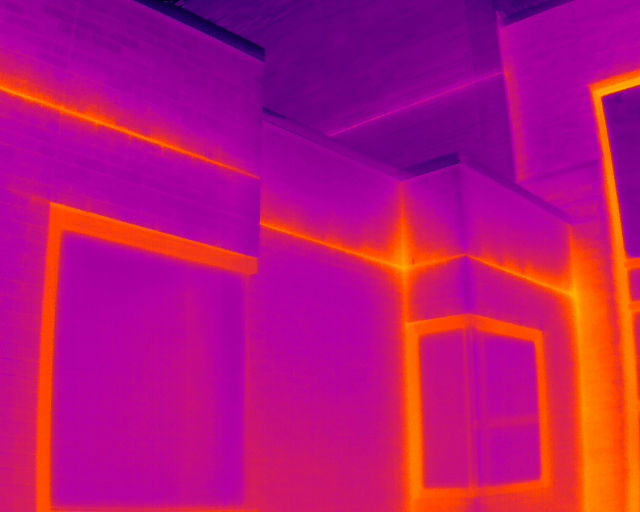
A good thermal report isn't a gallery of orange pictures. It's a documented finding — what was captured, under what conditions, what the anomalies are, and how confident we are. Here's how to read one, and what a thin report leaves out.
What a real report contains
A defensible thermal report documents the capture conditions (time, weather, roof state), the equipment and method, the anomalies classified by severity, an interpretation of what the patterns mean, and an honest statement of limits. Everything that lets a skeptical reader trust the finding is on the page — not just the imagery.
Why conditions and method are on the page
A thermal finding is only valid if it was captured correctly — after dark, in suitable weather, on a roof that had shed its heat. A report that states those conditions is showing its work; one that omits them is a picture with a caption. If you can't tell how a scan was flown, you can't tell whether to trust it.
Severity, not just color
Color alone isn't a plan. A useful report classifies anomalies by severity so you can prioritize — repair this now, watch that, confirm the other with a core. That ranking is the difference between a document you can budget against and a dramatic image you have to interpret yourself.
Reading the limits honestly
The most trustworthy line in a report is often where it says what it can't conclude — where a result is inconclusive, where confirmation is recommended, what the scan doesn't cover. A report with no limits isn't more confident; it's less honest. Look for the caveats; they're a sign the work is real.
Common questions
What should a thermal report include?
Capture conditions (time, weather, roof state), equipment and method, anomalies classified by severity, an interpretation of what the patterns mean, and an honest statement of limits. Images alone aren't a report.
Why does it list the weather and time?
Because a thermal finding depends on them — a scan flown in the wrong conditions isn't valid. Documenting conditions is how the report shows its finding can be trusted.
What's a red flag in a thermal report?
Lots of dramatic images with no method, no conditions, and no severity classification. That's a picture gallery, not a defensible finding.
Next step
A report you can budget against beats a folder of orange images. See thermal imaging, or read what a Level II thermographer actually signs off on.
About the author

Earl Bakke is a Level II Certified Thermographer and FAA Part 107 pilot with night-operations authorization. Twenty years in law enforcement and crash reconstruction, 450+ thermal inspections, and testimony in criminal and civil proceedings. He founded ScenePhoto360 in Stillwater, Minnesota. Read the full background.